

The best time to visit Asheville depends on the temperatures you prefer and how much rainfall you’re prepared for. NOAA climate normals show mild spring and fall highs, warmer summer days, and cooler winter conditions; precipitation varies through every season.
- Spring: normal daily highs rise from 59.8°F in March to 76.3°F in May.
- Summer: normal highs reach 82.5°F in June and 85.3°F in July.
- Fall: normal highs fall from 78.7°F in September to 59.5°F in November.
- Winter: normal highs range from 48.9°F in January to 52.9°F in February.
The Asheville Inn is a two-star hotel in town, with rooms available to book as you plan around the seasons.
In het kort
6 plaatsen · veeg
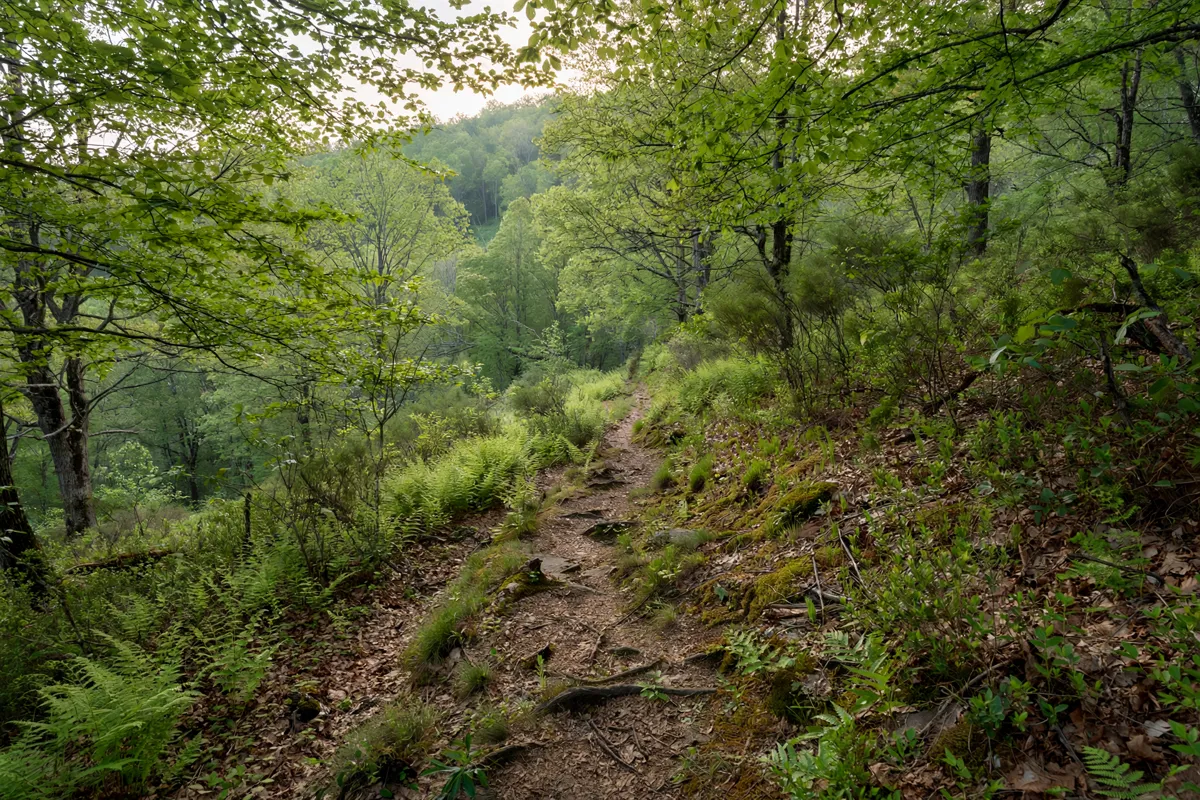 01Asheville in springSpring brings a steady rise in Asheville’s normal daytime highs, from 59.8°F in March to 69.4°F in April…
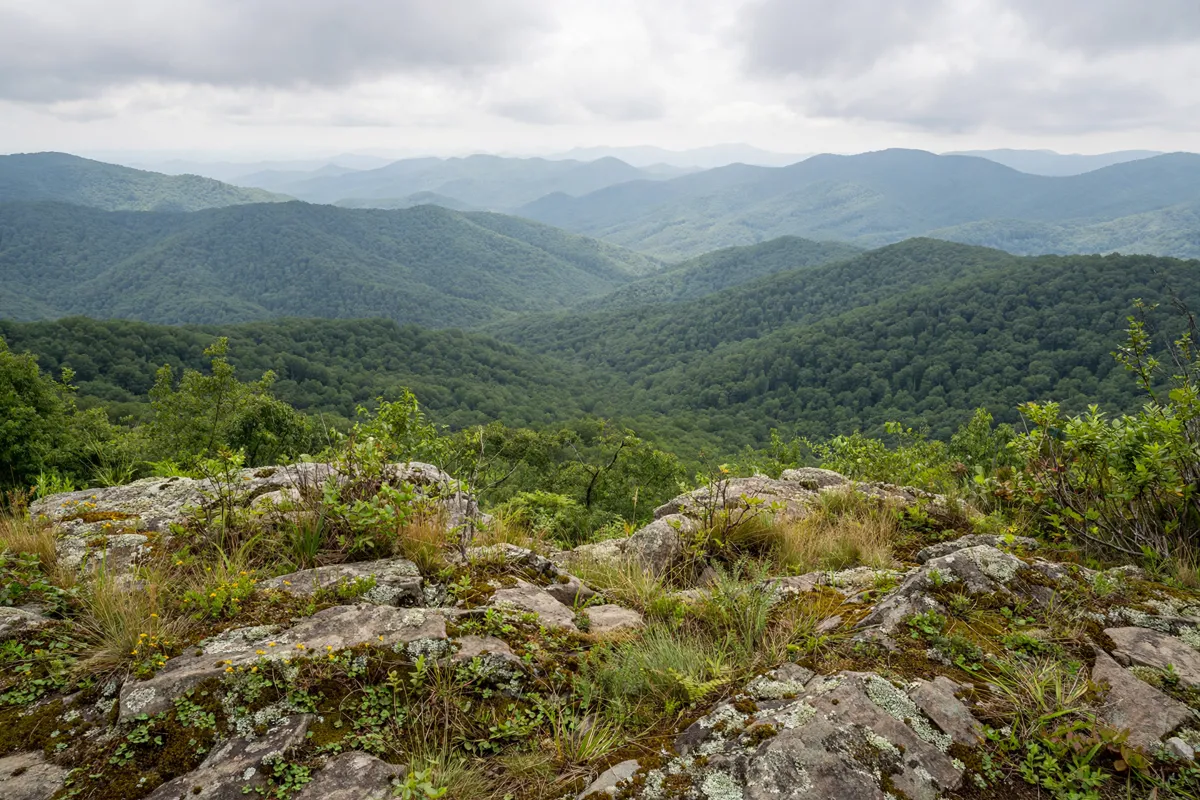 02Summer weather and outdoor plansSummer is Asheville’s warmest stretch in the climate normals, with normal daily highs of 82.5°F in June…
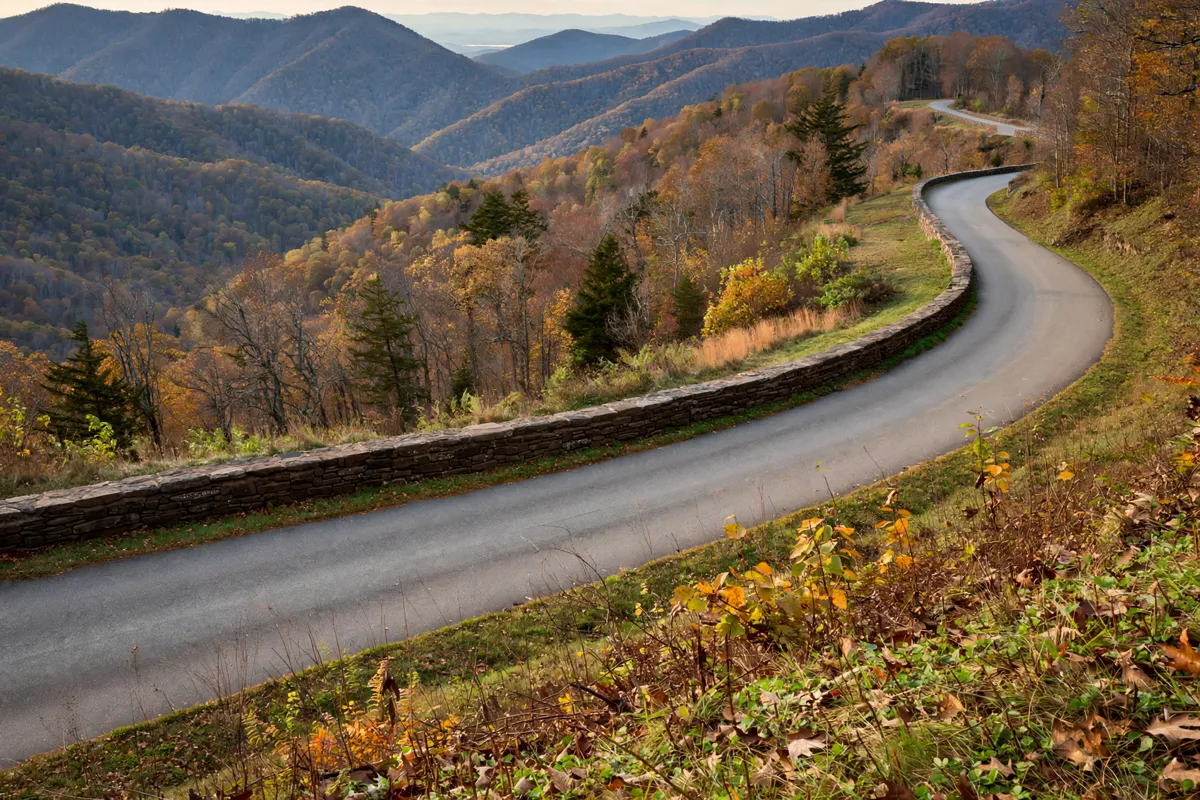 03Fall visits and busy periodsFall temperatures cool month by month: normal daily highs are 78.7°F in September, 69.6°F in October, and…
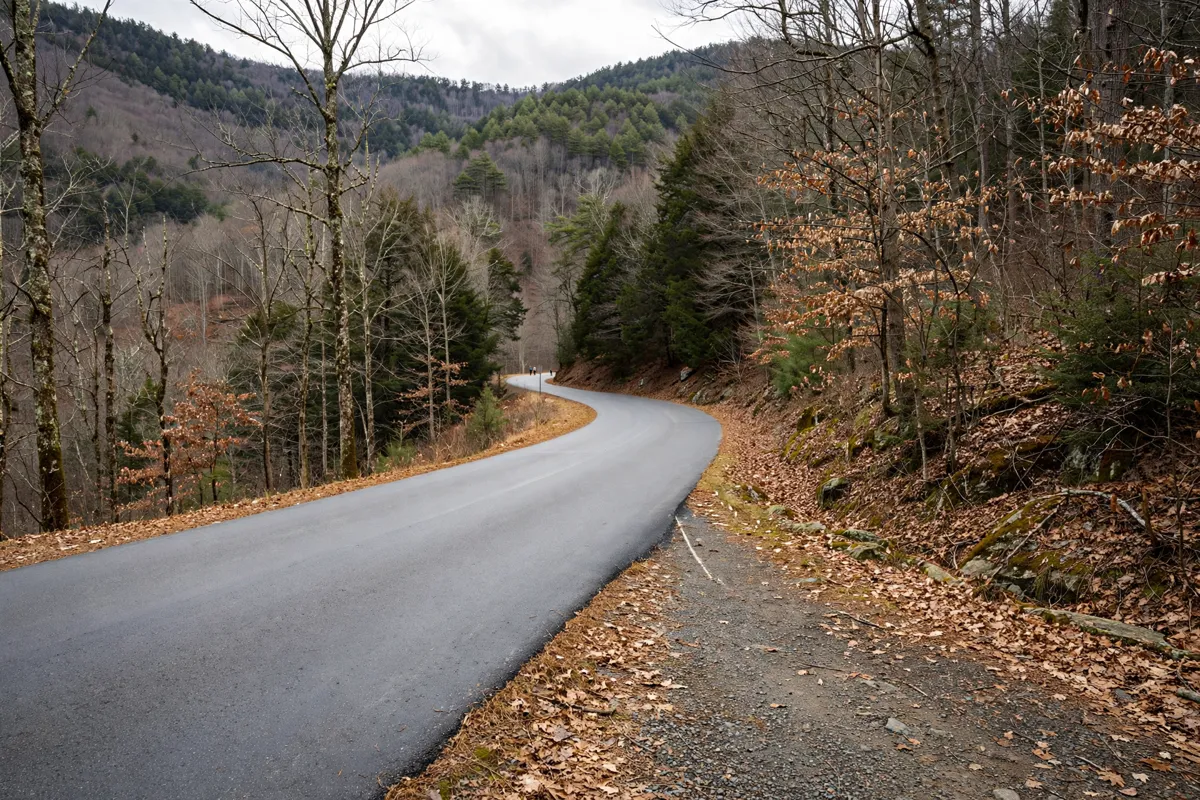 04Winter conditions and December travelWinter brings Asheville’s lowest normal daily highs: 48.9°F in January and 52.9°F in February.
- 05Choosing dates for your prioritiesChoose your Asheville dates by weighing normal highs against average precipitation, then check conditions…
- 06FAQsJuly has the highest normal daily maximum temperature in the climate figures, at 85.3°F.
Asheville in spring
Spring brings a steady rise in Asheville’s normal daytime highs, from 59.8°F in March to 69.4°F in April and 76.3°F in May. Average precipitation is 3.80 inches in March, 4.17 inches in April, and 4.13 inches in May.
Those monthly normals suggest a spring that shifts from cool to warm, with rainfall in each month. If you’re planning outdoor time, think about the temperature range as well as the possibility of rain. The North Carolina Arboretum is one area attraction to pair with a seasonal visit; its hours and ticket information can help you plan that stop.
Summer weather and outdoor plans
Summer is Asheville’s warmest stretch in the climate normals, with normal daily highs of 82.5°F in June, 85.3°F in July, and 84.0°F in August. Average precipitation is 4.13 inches in June, 4.67 inches in July, and 5.04 inches in August.
July and August combine the year’s highest normal highs with more than four inches of average precipitation in each month. You can plan mountain outings around the warm temperatures, while keeping weather flexibility in mind. For Parkway routes and stops, consult how to explore the Blue Ridge Parkway from Asheville.
Fall visits and busy periods
Fall temperatures cool month by month: normal daily highs are 78.7°F in September, 69.6°F in October, and 59.5°F in November. Average precipitation also declines across these months, from 4.13 inches in September to 3.37 inches in October, then rises slightly to 3.72 inches in November.
October has the lowest average precipitation of these three months, while September has the warmest normal high. These figures can help you choose between warmer conditions and cooler days, but they don’t establish when fall color peaks or when local demand is highest. For recurring happenings, see how Asheville’s events follow the seasons.
Winter conditions and December travel
Winter brings Asheville’s lowest normal daily highs: 48.9°F in January and 52.9°F in February. December’s normal high is 51.5°F. Average precipitation is 4.13 inches in January, 3.46 inches in February, and 4.18 inches in December.
Asheville in December is cool by these normals, with average precipitation a little above four inches. The figures describe monthly averages rather than a forecast for your dates. If your plans include mountain roads, check the National Park Service’s Blue Ridge Parkway road information before setting out; access can depend on road conditions.
Choosing dates for your priorities
Choose your Asheville dates by weighing normal highs against average precipitation, then check conditions for the specific places you plan to visit. The climate normals are for Asheville Regional Airport and describe averages, not day-to-day weather.
- For milder temperatures: April, May, October, and November have normal highs from 59.5°F to 76.3°F.
- For warmer days: June through September have normal highs from 78.7°F to 85.3°F.
- For cooler conditions: January and February have normal highs below 53°F.
- For lower average monthly precipitation: October’s normal is 3.37 inches, the lowest figure among the months listed.
Before you go, check the official site of the National Park Service for the Blue Ridge Parkway, since road access can change. The Park Service says the Blue Ridge Parkway Visitor Center and the Folk Art Center near Asheville are open year-round.
FAQs
What is the warmest month in Asheville?
July has the highest normal daily maximum temperature in the climate figures, at 85.3°F.
How rainy is Asheville in summer?
Average precipitation is highest in August, at 5.04 inches.
What is Asheville like in December?
December’s normal daily high is 51.5°F, and average precipitation is 4.18 inches.
Can you visit the Blue Ridge Parkway year-round?
The National Park Service says the Parkway Visitor Center and Folk Art Center near Asheville are open year-round. Road access is a separate consideration, so check the Park Service’s road information before your trip.